
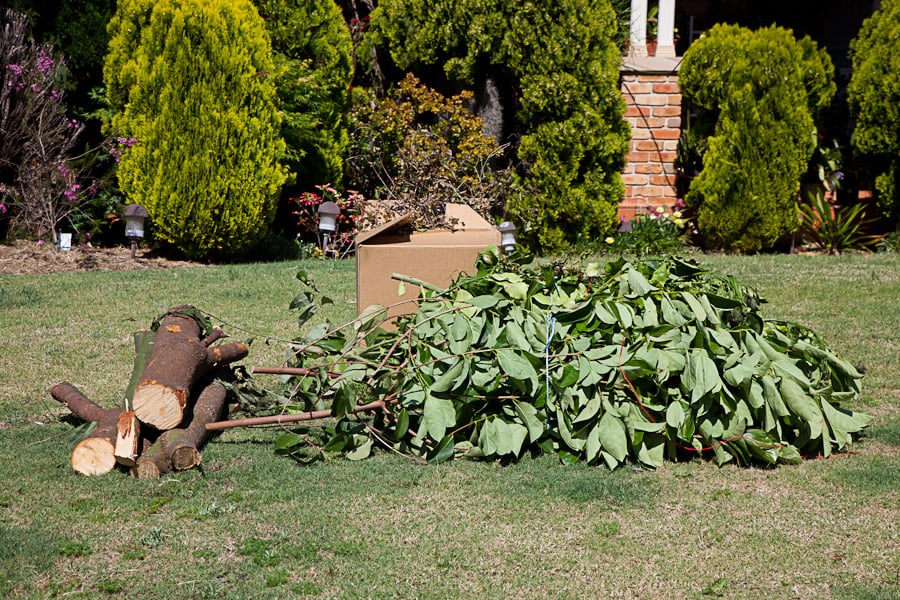
What counts as “green waste” for each service?
In most areas, green waste includes grass clippings, leaves, small branches, hedge trimmings, and weeds. Councils and private firms often differ on limits such as branch thickness, bag types, and whether soil, turf, or food waste is accepted.
They should always check the collector’s accepted list before booking a green waste pick up or filling a bin with cuttings. One wrong item can mean a rejected collection or extra fees.
How does council green waste pick up usually work?
Council services are typically bin based and collected on a fixed rota, often fortnightly or seasonal. They usually require a subscription, an allocated garden bin, and compliance with set rules on weight and contamination.
This option suits households that produce steady, predictable garden waste. It can be less flexible for people who need ad hoc clearances after major pruning or landscaping.
How do private green waste services usually work?
Private services tend to offer more formats: one off pick ups, scheduled collections, or clearance teams that load and remove waste. Some provide bags, some take loose piles, and many can handle larger volumes in a single visit.
They often suit households doing big garden jobs, landlord clear outs, or anyone who missed a council collection. The trade off is that service quality varies more, so they should check reviews and licensing.
Which option is usually cheaper?
Council collections are often cheaper over a full year if they consistently use the bin and do not need extra visits. The cost is usually predictable because it is a subscription.
Private services can be cheaper for occasional needs, especially if they only need one or two collections per year. Prices vary by volume, labour, distance, and whether they want loading included.
Which option is more reliable?
Councils usually provide consistency because routes and dates are fixed, with service updates published publicly. Reliability can drop during bank holidays, bad weather, or peak seasons when crews are stretched.
Private providers can be very reliable, especially with booked time slots, but it depends on the company. They should look for clear arrival windows, written terms, and straightforward contact options if plans change.
Who offers more flexibility on timing and volume?
Private providers usually win on flexibility because they can tailor frequency, collect extra waste, or respond quickly after storms or large garden projects. Many will also collect beyond a single bin’s capacity.
Councils are less flexible because capacity is tied to the bin size and scheduled rounds. Some offer add on bins or occasional extra collections, but these are not universal.
What rules and restrictions should they watch for?
Councils tend to enforce strict rules: lids closed, correct bin, no plastic bags, no rubble, no food waste, and limits on branch size. If the bin is too heavy or contaminated, it may be left behind.
Private services set their own rules, but they should still avoid assuming “everything green” is acceptable. They should ask specifically about soil, turf, bamboo, thorny cuttings, and oversized branches.
Which choice is better for the environment?
Both can be environmentally responsible if the waste is composted or processed at licensed facilities. Councils often send green waste to composting sites and have defined processing routes.
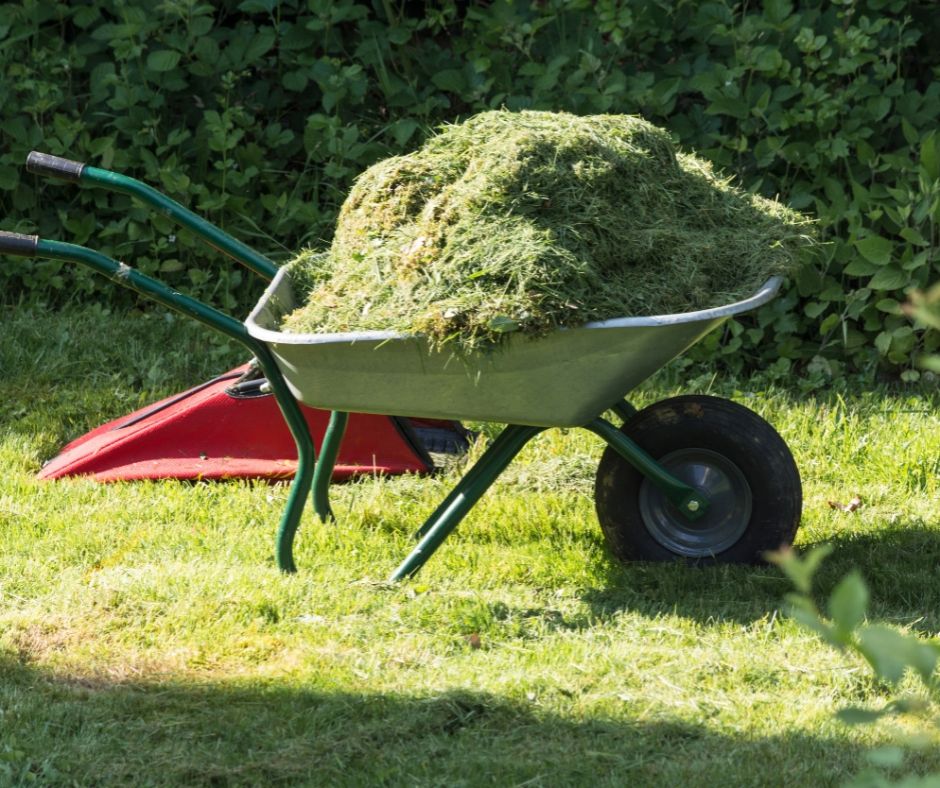
Private services can be just as good, but it depends on disposal practices. They should choose providers that state where the waste goes and can confirm they use licensed transfer stations or composting facilities. Click here to get about green waste rubbish removal: how to dispose of garden waste properly.
What should they ask before booking a private service?
They should confirm licensing, where the waste is taken, what is included in the quote, and whether loading is extra. They should also ask how volume is measured because “a small load” can mean different things.
A quick checklist helps: accepted materials, branch size limits, bag requirements, arrival window, total price, and proof of lawful disposal.
How can they choose between council and private pick up?
If they produce regular garden waste and want a set and forget routine, council collection is usually the simpler long term option. If they need speed, larger clearances, or one off visits, private services often fit better.
Many households use both: a council bin for weekly maintenance, plus a private pick up for seasonal pruning or renovation waste.
FAQs (Frequently Asked Questions)
What types of garden waste are typically accepted as “green waste” by council and private services?
Green waste generally includes grass clippings, leaves, small branches, hedge trimmings, and weeds. However, councils and private providers may differ on specific limits such as branch thickness, acceptable bag types, and whether soil, turf, or food waste are included. Always check the collector’s accepted list to avoid rejected collections or extra fees.
How do council green waste pick up services usually operate?
Council green waste collection is typically bin-based on a fixed rota, often fortnightly or seasonal. It usually requires a subscription and an allocated garden bin with rules on weight and contamination. This service suits households producing steady garden waste but may lack flexibility for occasional large clearances.
What are the advantages of using private green waste removal services?
Private providers offer flexible options including one-off pickups, scheduled collections, or full clearance teams that can handle larger volumes in a single visit. They often provide bags or accept loose piles and are ideal for big garden jobs or missed council collections. However, service quality varies so checking reviews and licensing is important.
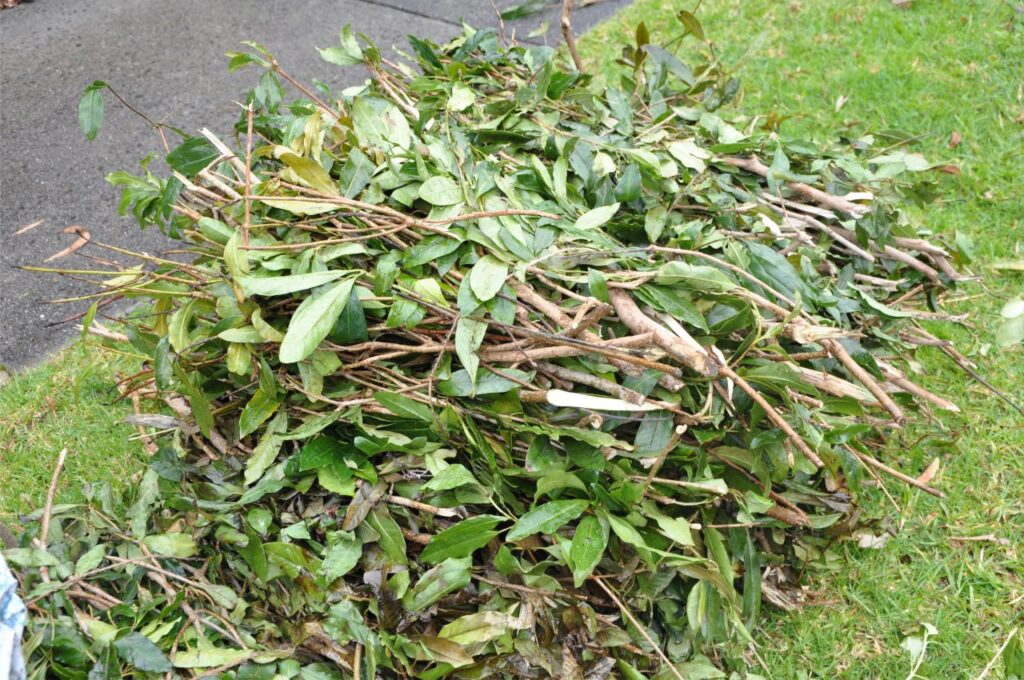
Which green waste pick up option is generally more cost-effective?
Council collections tend to be cheaper over a full year if you consistently use the bin without needing extra visits because costs are predictable via subscription. Private services can be more affordable for occasional needs like one or two collections annually but prices depend on volume, labor, distance, and loading requirements.
How do reliability and scheduling compare between council and private green waste collections?
Councils provide consistent routes and published schedules but reliability can dip during bank holidays, bad weather, or peak seasons. Private providers may offer reliable booked time slots with clear arrival windows but this varies by company; always look for written terms and easy contact options for changes.
What key rules should I be aware of when preparing green waste for collection?
Councils enforce strict rules such as closed lids on correct bins, no plastic bags or rubble, no food waste, and limits on branch size; overweight or contaminated bins may be rejected. Private services have their own rules—always confirm accepted materials including soil, turf, bamboo, thorny cuttings, and oversized branches to avoid issues.