
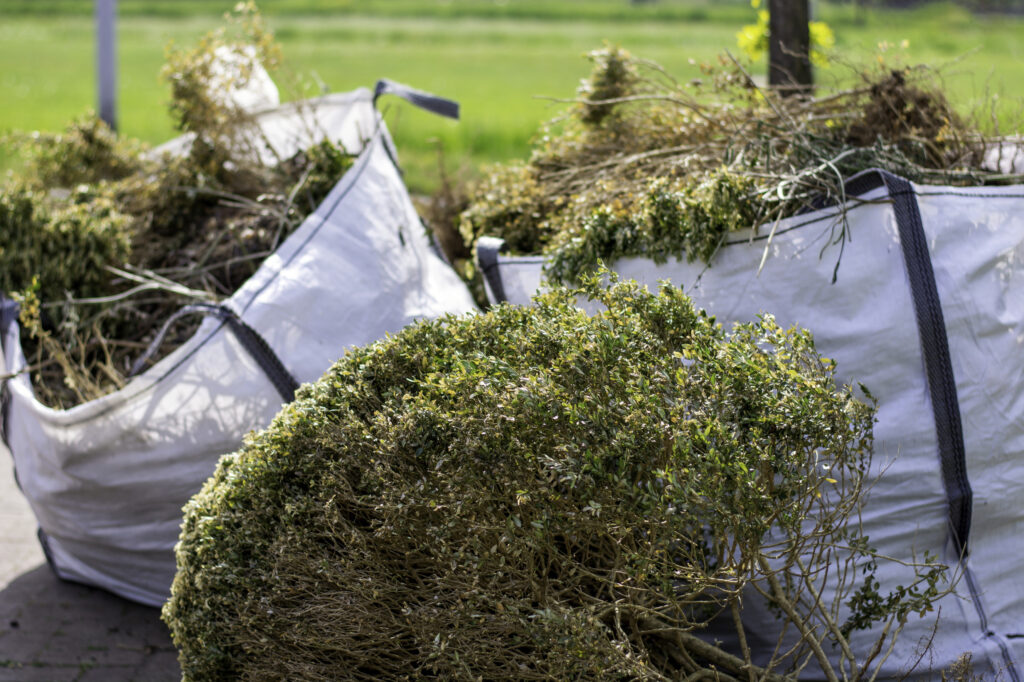
The best approach depends on the type of waste, how much they have, and what local councils accept. The goal is simple: separate it correctly, choose the right disposal route, and avoid contamination.
What counts as green waste?
green waste rubbish removal covers biodegradable material that comes from gardens. It usually includes grass clippings, leaves, weeds, small branches, twigs, flowers, and prunings. Some services also accept untreated timber offcuts from garden projects, but rules vary.
Items like plastic plant pots, treated timber, soil, rocks, and general rubbish are not green waste. Mixing them in can get an entire load rejected.
Why does disposing of garden waste properly matter?
It matters because green waste is valuable when it is clean. Councils and processors turn it into mulch, compost, and soil conditioners. When it is contaminated with plastic or rubble, it becomes harder and more expensive to process.
Dumping garden waste illegally can also create fire risks, block drains, spread weeds, and attract fines. Proper disposal protects local ecosystems and keeps neighbourhoods cleaner.
What are the easiest ways to dispose of garden waste?
The easiest options are usually council green bins, composting at home, or booking a green waste collection. For larger clean-ups, they may need a trailer run to a green waste facility or a dedicated removal service.
The right choice comes down to volume. A single mow suits a bin, while a hedge removal or storm cleanup often needs a bigger solution.
How should they sort and prepare garden waste for removal?
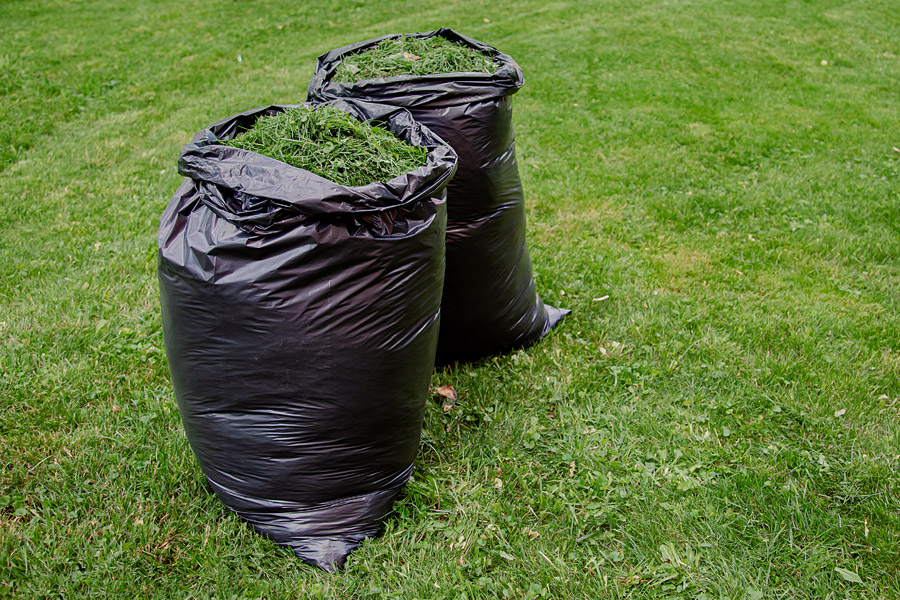
They should start by separating garden waste from everything else. Bagging leaves and grass helps prevent mess, while bundling branches makes loading faster. If a service has size limits, they should cut branches down to the required length.
They should also remove any hidden contaminants, including string, wire ties, plant pots, and rocks. Clean green waste is quicker to process and usually cheaper to dispose of.
Can they use the council green bin, and what usually goes wrong?
They can use a council green bin if their area offers one and the waste matches the accepted list. Most councils allow clippings, leaves, weeds, and small prunings. Some accept small branches, but they often have thickness limits.
What usually goes wrong is contamination. Plastic bags, food waste, dirt, pet waste, and general rubbish can result in non-collection or penalties. Overfilling, compacting too tightly, or placing loose material that blows out can also cause issues.
Should they compost garden waste at home?
They should compost at home if they have space and want a steady, low-cost solution. Composting works well for leaves, grass in small layers, soft prunings, and plant trimmings. The payoff is free compost for garden beds.
They should avoid adding weeds with mature seeds, invasive plants, diseased material, or large woody branches unless they can process them properly. A simple mix of “greens” (fresh clippings) and “browns” (dry leaves) helps prevent odours.
What about mulching and chipping branches?
Mulching and chipping is often the best option for woody material. If they chip branches, they can reuse the mulch around trees and garden beds to retain moisture and suppress weeds. It also reduces volume dramatically.
If they do not own a chipper, they can hire one or use a removal service that mulches on-site. They should confirm whether the service takes the mulch away or leaves it for reuse.
Can they take garden waste to a transfer station or green waste facility?
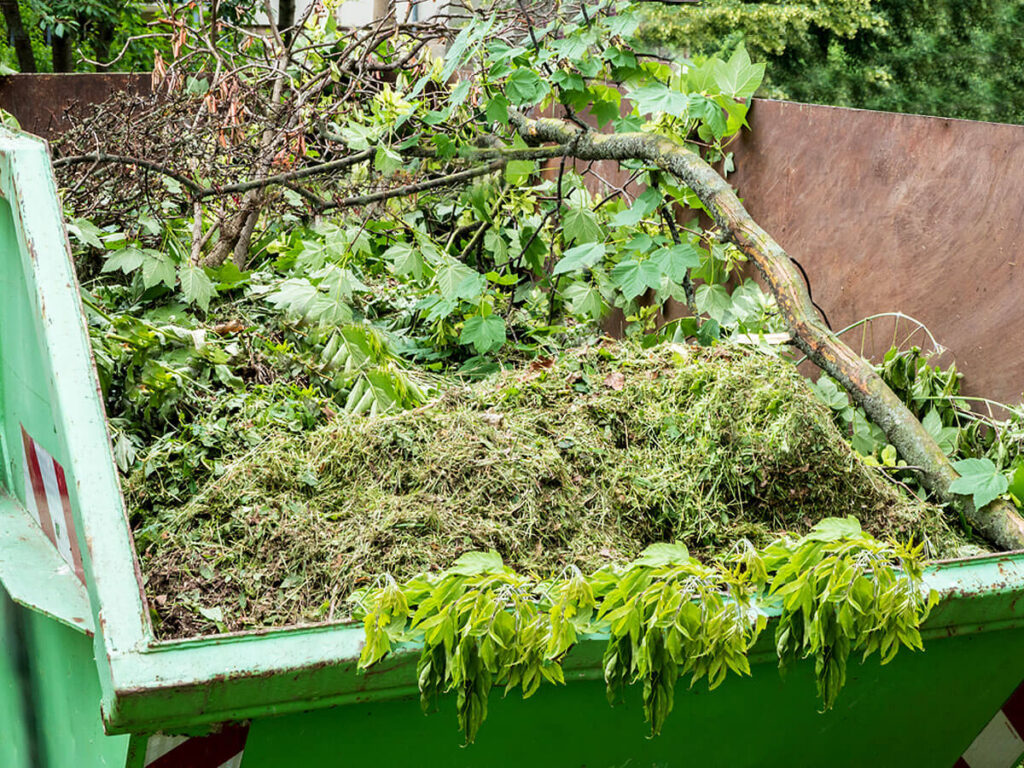
They can, and it is often the most direct route for medium to large loads. Many transfer stations have a dedicated green waste drop-off area and charge by weight or vehicle size. This suits trailer loads after pruning, landscaping, or seasonal cleanups.
They should check opening hours, fees, and accepted materials before loading up. Some sites do not accept soil, stumps, palm fronds, or noxious weeds. Click here to get about green waste pick up: council vs private services compared.
When should they book a green waste rubbish removal service?
They should book a service when the volume is too large for bins, they cannot transport it, or they want the job done quickly. This is common after tree pruning, storm damage, end-of-lease yard tidy-ups, or pre-sale garden cleanups.
A good service can load, haul, and dispose of green waste correctly. They should ask whether the provider separates green waste from mixed rubbish and where it is taken for processing.
How can they avoid common green waste disposal mistakes?
They can avoid problems by keeping green waste clean and dry where possible, and by not mixing it with general rubbish. Plastic bags are a frequent mistake, since many facilities require loose green waste or compostable liners only.
They should also avoid dumping weeds or invasive plants without guidance. Some species need special handling to prevent regrowth and spread.
What is the safest way to handle heavy or messy garden waste?
They should use gloves, closed shoes, and eye protection when dealing with prickly plants or branches. Heavy lifting should be broken into smaller loads, and branches should be stacked neatly to prevent trips and falls.
If they are dealing with sharp palms, thorny shrubs, or large limbs, it is often safer to use a professional removal team. Safety matters more than speed.
What’s the simplest plan they can follow for proper garden waste disposal?
They can follow a simple sequence: sort the waste, reduce the volume, and choose the right disposal path. Soft waste can go in the green bin or compost, while branches can be chipped or bundled for collection.
If the pile is larger than one person can handle, booking green waste rubbish removal is usually the fastest clean solution. The key is keeping the load uncontaminated so it can be recycled into mulch or compost instead of heading to landfill.
FAQs (Frequently Asked Questions)
What materials are considered green waste in garden rubbish removal?
Green waste includes biodegradable garden materials such as grass clippings, leaves, weeds, small branches, twigs, flowers, and prunings. Some services may also accept untreated timber offcuts from garden projects. Items like plastic pots, treated timber, soil, rocks, and general rubbish are not considered green waste and should be excluded to avoid contamination.
Why is proper disposal of garden waste important?
Proper garden waste disposal keeps gardens tidy, prevents pest problems, and helps keep organic material out of landfill. Clean green waste can be processed into mulch, compost, and soil conditioners. Contaminated waste with plastics or rubble is harder and more expensive to process. Illegal dumping can cause fire risks, block drains, spread weeds, attract fines, and harm local ecosystems.
What are the easiest methods for disposing of garden waste?
The simplest ways include using council green bins where available, home composting for small amounts of soft waste, or booking a green waste collection service. For larger volumes from hedge removal or storm cleanups, options include trailer runs to green waste facilities or hiring dedicated removal services. The choice depends on the type and volume of green waste generated.
How should garden waste be sorted and prepared before removal?
Garden waste should be separated from non-green materials. Leaves and grass clippings can be bagged to prevent mess; branches should be bundled and cut to size if required by the service provider. Removing contaminants like plastic ties, plant pots, string, and rocks ensures cleaner loads that are easier and cheaper to process.
Can I use my council’s green bin for all types of garden waste?
You can use your council’s green bin if your area offers this service and your garden waste matches their accepted list—usually including clippings, leaves, weeds, and small prunings. Some councils accept small branches but often with thickness limits. Avoid contamination with plastic bags, food scraps, dirt, pet waste or general rubbish to prevent non-collection or penalties.
Is home composting a good option for garden waste disposal?
Home composting is an excellent low-cost solution if you have space. It works well with leaves, grass (added in small layers), soft prunings, and plant trimmings. Avoid composting weeds with mature seeds, invasive plants, diseased material or large woody branches unless properly processed. Balancing ‘greens’ (fresh clippings) with ‘browns’ (dry leaves) helps prevent odours during composting.